Trending

On a Saturday morning, the choice can feel oddly complicated. You have a market stall with pyramids of peppers and a farm stand twenty minutes out of town with a hand-lettered sign for sweet corn. Both promise fresh produce. Both are right, in their own way. The useful question is not which one is better overall, but which one is better for this purchase, this week, and the way you actually cook. Market stalls and farm stands solve different problems, and most good shopping routines use both.
A farm stand usually has a short line from field to table. The grower may pick in the morning, set out the harvest, and close when the table is empty. That can be superb for fragile things: berries, lettuce, herbs, peas, corn. But a farm stand is not automatically fresher. If business is slow or the weather has been wet, produce may have been picked a few days earlier and held in a cooler. A market stall can be just as fresh, especially when the vendor has brisk turnover and restocks through the morning. Many stalls buy from growers at a wholesale market; some grow part of what they sell.
Freshness is a chain of decisions, not a label above a table. Harvest timing matters, as do storage temperature, handling, and time in the sun. At either stop, ask direct questions: When was this picked? Is it from your farm? What would you choose for dinner tonight? A good vendor will answer without flinching and may steer you away from a tired crate. Use your senses too. Greens should look crisp, not limp. Cut stems should look fresh, not dried and brown. Berries should be dry and smell sweet, with no soft spots hidden at the bottom. Tomatoes should smell like tomatoes at the stem; corn should have tight, green husks and cool kernels. These checks take seconds and tell you more than a sign that says “fresh.”
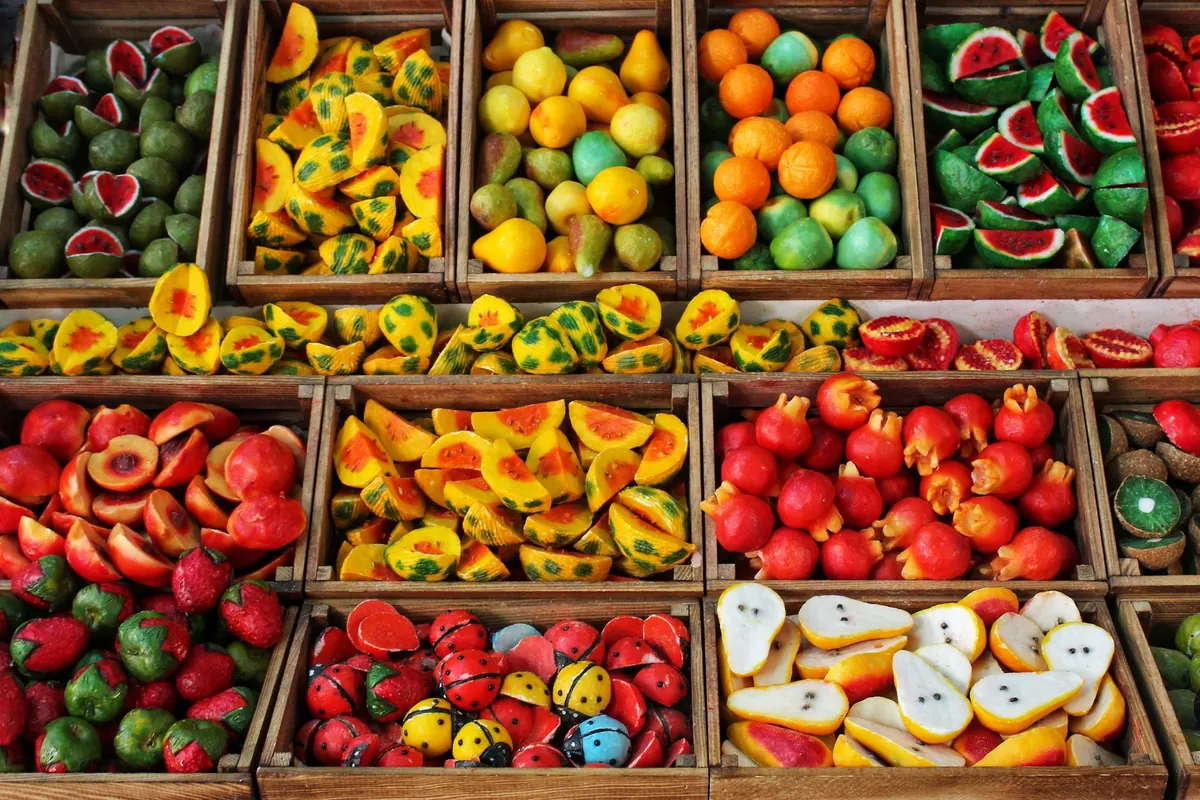
Market stalls win on breadth. A single stall may carry produce from several growers, which means you can buy onions, lemons, potatoes, parsley, and a few peaches in one stop. That matters for weeknight cooking and for recipes that need a long list of ingredients. Market stalls also tend to carry out-of-season items, imported produce, and staples that a small farm does not grow. The trade-off is that quality can vary from crate to crate. You are shopping a selection, not a single harvest.
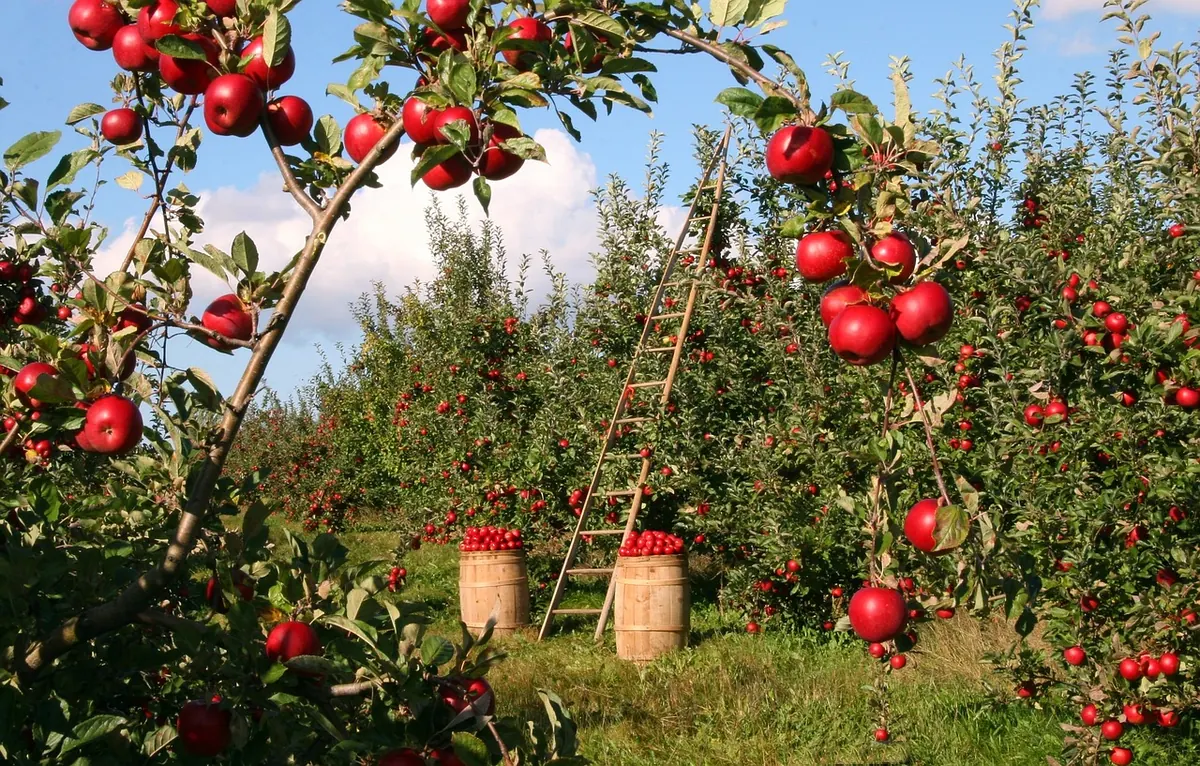
Farm stands win on depth. A stand may sell only what the farm grows, but it may offer several varieties of the same thing: six kinds of apples, three kinds of eggplant, or tomatoes in shapes you will not find at a supermarket. That is where farm stands become interesting. You can compare a tart apple with a sweet one, or choose a paste tomato for sauce and a slicing tomato for sandwiches. The limit is obvious: if the farm does not grow lemons, you will not find lemons. Availability also follows the season closely. In early summer the table may be heavy with greens and radishes; by late August it may be all tomatoes, peppers, and melons. Use the market stall for range and the farm stand for character.
There is a common assumption that farm stands are cheaper because there is no middleman, and that market stalls cost more because of stall fees and transport. The reality is more mixed. A market vendor pays for space, fuel, help, packaging, and the risk of unsold produce. A farm stand pays for land, equipment, insurance, parking, and labor, and may have higher costs per customer because it sells less volume. Neither setting guarantees a lower price. What matters is the unit price and the usable yield.
Compare by the pound, the pint, or the head, not by the size of the pile. A bargain crate with soft spots is not a bargain if half of it goes to the compost. Ask about seconds or bulk boxes if you plan to make jam, sauce, or pickles; both market stalls and farm stands may offer them, especially toward the end of the day. At a market, late morning can bring markdowns, but the best selection goes early. At a farm stand, a pick-your-own field can be good value if you are willing to do the work and handle the fruit gently. Keep a simple note of what you paid and how long the produce lasted. Over a few weeks, you will see which stop gives you better value for the things you actually eat.
A market stall is a social place. You can compare three vendors’ tomatoes, ask for a taste, and learn which grower picked beans that morning. The competition is useful: if one stall looks tired, another is ten steps away. The drawbacks are crowds, parking, early hours, and the temptation to buy more than you can carry. A farm stand is quieter and usually more focused. You may meet the person who grew the food, or you may find an unattended table with a cash box and a sign. That can be charming, but it also means limited hours, fewer payment options, and no one to answer questions when the stand is empty.
Think about the trip as part of the purchase. A farm stand twenty minutes away is a pleasant outing if you need a box of peaches and a bag of corn. It is a poor use of time if you only need a bunch of parsley. A market stall fits a weekly routine because you can combine it with other errands and buy in smaller amounts. At either place, bring your own bags, carry some cash, and keep a cooler in the car during hot weather. Ask one good question each visit. Vendors remember customers who are curious but not fussy.
Start with the meal, not the label. If you are planning a week of cooking, a market stall is usually the more efficient base. If you want a specific peak-season crop and have time for the drive, a farm stand is worth the detour. When you are standing at the table, use this list:
Most households do not need to choose a side. Use the market stall as your base: greens, onions, citrus, mushrooms, and the odds and ends that turn a box of vegetables into dinner. Use the farm stand as a seasonal destination: strawberries in June, tomatoes in August, apples in October. If both are options on the same day, shop the market first for breadth, then visit the farm stand for the one or two things it does best. Store what you buy with a little care. Keep greens cold and unwashed, leave tomatoes at room temperature, and eat the soft fruit first.
After a few weeks, you will have a short list of stalls and stands you trust. That list is more useful than any rule about which type of seller is better. Buy from the people who answer your questions, handle their produce well, and sell you food you are glad to cook. The best stop is the one that fits your week and leaves you with a basket you actually finish.
Photo: lumix2004 / Pixabay