Trending

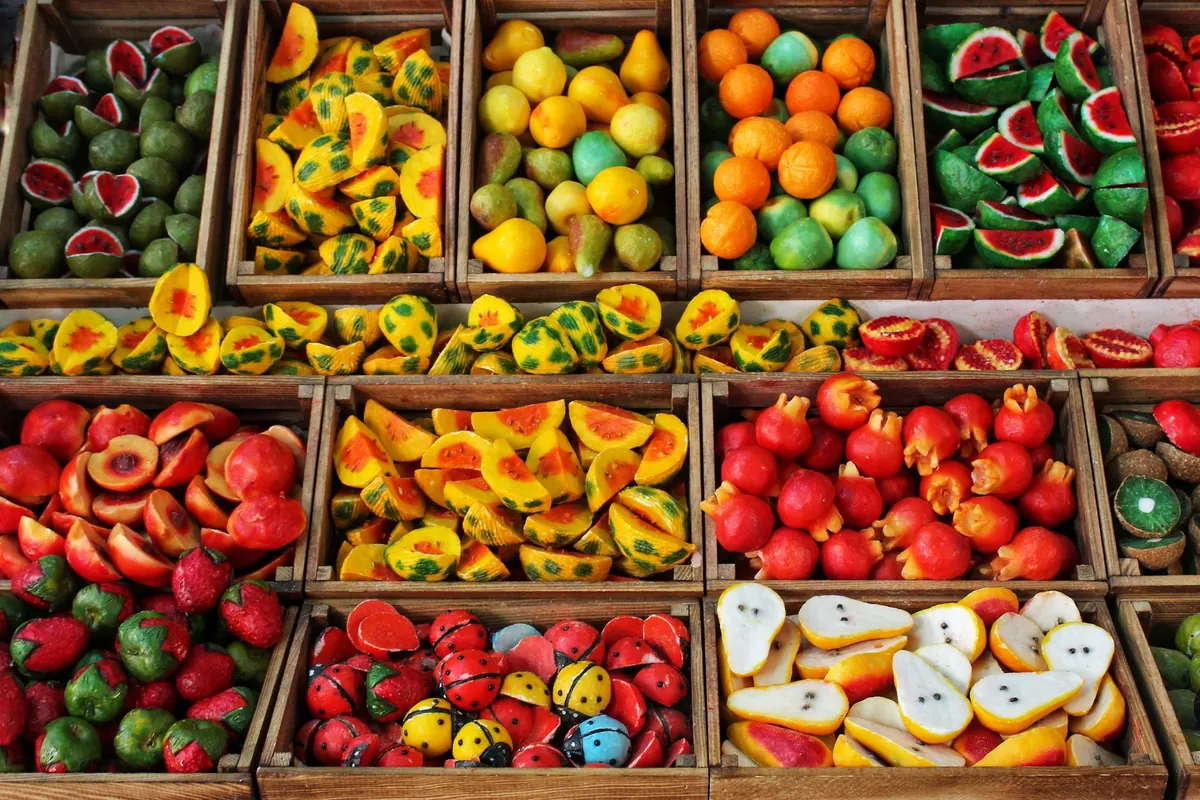
Stone fruit is easy to love and surprisingly hard to buy well. A peach eaten at the right moment, over the sink, is one of the best things a market sells. The same peach eaten three days early is a waste of money. The difference is rarely the variety. It's timing, handling, and knowing what to look for.
Peaches, plums and apricots all behave in roughly the same way, and once you know the rules you can apply them to nectarines, pluots and everything else on the stall.
Every stone fruit is a drupe: thin skin, juicy flesh, and a single hard stone in the middle holding the seed. That structure explains most of how they behave. The stone lets them roast well and hold their shape in a tart. It also means they bruise against their own pit if you stack them deep, and that a careless twist of the knife crushes the flesh you were trying to keep whole.
The family is wider than the three names on the sign. Nectarines are peaches with smooth skin. Pluots and apriums are plum-apricot crosses. Cherries belong here too. What they share is a narrow window: most are picked firm so they can travel, and they will soften on your counter, but they won't build the sugar they would have made on the tree. Buy sound fruit, handle it gently, eat it soon.
Cut a peach in half and twist. If the flesh grips the pit, it's a clingstone; if it pulls away clean, it's freestone. Clingstones tend to arrive early in the season and are excellent for eating out of hand and for jam, where you want the flesh to collapse. Freestones come later and are the ones to buy for slicing, freezing and baking. Semi-freestone sits in between and is fine for most jobs. If the sign doesn't say, ask — it takes ten seconds and saves a wrestling match at the sink.
Yellow peaches are the benchmark: sweet, lightly tart, generous. White peaches are lower in acid, softer and more floral — lovely if you like delicate fruit, flat if you want a sharp hit. Nectarines are the same fruit without the fuzz, usually a little more aromatic and a little more prone to bruising. Both should smell sweet at the stem end before you commit.
Plums cover more ground than anything else on the stall: small, dense, dark fruit for eating over the sink; greenish greengages with honeyed flesh; tiny yellow mirabelles; astringent damsons destined for jam. Colour alone tells you very little. A ripe plum gives slightly at the stem end and the skin looks taut and glossy. The powdery white bloom on the surface is natural wax, not dirt, and a sign the fruit hasn't been handled to death.
Apricots are the trickiest and the most rewarding. The season is short, the skins are thin, and a hard apricot is genuinely unpleasant — mealy and sour. Wait for fruit that yields slightly and smells of apricot. Pale varieties are ready when the background colour turns creamy; deep orange types can still be firm and underripe. When you find good ones, buy more than you think you need. They don't keep.
If the market lets you taste, taste. When it doesn't, use your hands and your nose, in that order. Colour is the least reliable signal, because the red blush on a peach comes from sun, not from sugar.
Buy for the next two or three days, not the next two weeks. Stone fruit is not a pantry staple.
Get the fruit home and spread it out in a single layer on a tray or in a wide bowl, out of direct sun. Stacked fruit crushes itself, and one bruised peach will take its neighbours with it by morning.
To speed things up, drop the fruit into a loosely closed paper bag. Ethylene, the gas fruit gives off as it ripens, collects inside and pushes everything along; a ripe banana or apple in the bag makes it faster still. Check the bag every morning.
Never refrigerate hard, unripe fruit. Cold interrupts ripening, and the fruit goes from rock-hard to woolly without ever passing through good.
Two or three days on the counter at their peak; four or five in the fridge once ripe. Keep them dry — don't wash until you're about to eat, since moisture on the skin invites mould.
They finish ripening nicely out of the fridge, and ripe fruit keeps about a week in the salad drawer. Wash and dry loose, dusty plums before storing them.
The shortest clock in the family: two days on the counter, three or four in the fridge, and they're done. Cook or freeze them the moment they soften faster than you can eat them.
Every summer the same thing happens: a flat of peaches crosses over in a single day. Halve and freeze what you can't eat. Peaches are easiest peeled by cutting a shallow cross at the base, dropping them into boiling water for thirty seconds, then into cold water — the skin slips off. Slice, freeze on a tray, then bag.
Beyond that: roast halves with a little butter and sugar, grill wedges cut-side down for a savoury plate, or simmer plums with sugar and a strip of lemon peel for compote. Firm, sour fruit is better cooked than raw, so don't throw it out.
Three habits do most of the work. Ask which variety is at its peak and whether it's clingstone or freestone — stallholders know, and they like being asked. Buy only what you'll eat in two or three days, then go back for more; fruit bought twice in small amounts beats a bargain flat you can't finish. And keep the bowl on the counter, not hidden in the crisper drawer, so you actually see it.
Stone fruit rewards a little attention. Touch it, smell it, wait a day, eat it over the sink. Nothing complicated is required.
Photo: Beyza / Pexels