Trending

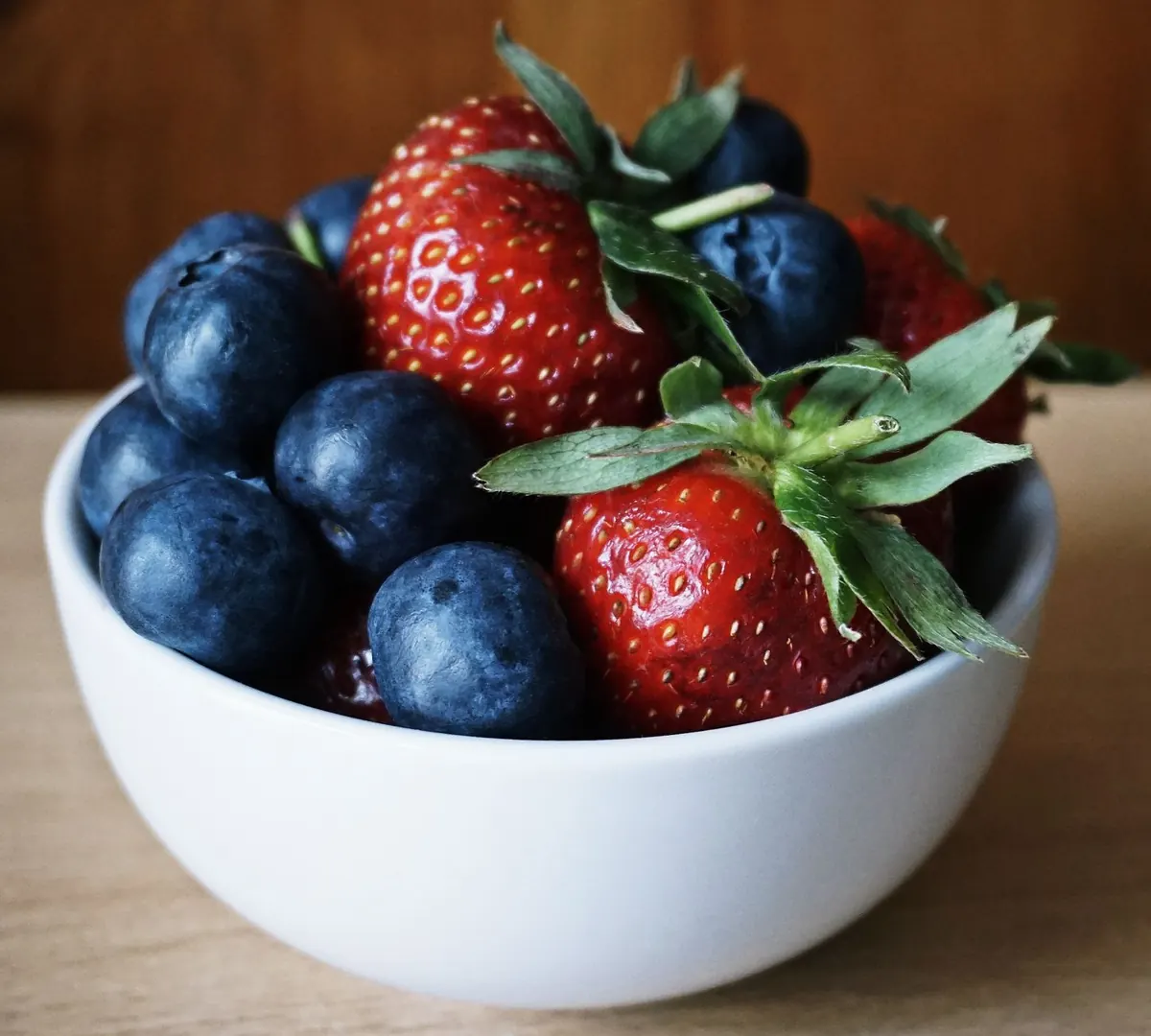
Berries are some of the most perishable produce in the market. A carton of raspberries can look perfect at breakfast and be spotted with mold by evening, and strawberries often soften faster than anyone expects. Even blueberries, which seem sturdy, can turn wrinkled and leaky after a few days in a warm kitchen. The difference between a frustrating amount of waste and several days of good fruit usually comes down to three things: moisture, temperature, and handling. None of the steps is difficult, but they work best when you do them soon after the berries come home. A few minutes of sorting, drying, and arranging can mean the difference between a single serving and a week of breakfasts.
Open every carton as soon as you can and look through the berries. Remove any fruit that is moldy, leaking juice, or crushed. One soft, fuzzy berry can affect the ones touching it, and mold spreads quickly in a closed container. Do not try to rescue a berry with visible mold; put it in the compost. A berry that is merely bruised can be eaten now, frozen for smoothies, or cooked into a sauce. It is also worth checking the bottom of the carton, where moisture and pressure tend to collect; that is often where the first moldy berry hides.
Leave the green caps on strawberries until you are ready to eat them. The cap protects the flesh underneath, and trimming early creates a moist wound where the berry can break down. Sort by ripeness as you go: keep the firmest berries for later in the week and set the softest ones aside for today's snack or a batch of compote. If you have several cartons, do not assume they are all at the same stage. A carton bought on sale or kept near the front of the store may already be a day or two closer to spoiling.
Berries bruise under their own weight. A deep bowl can crush the bottom layer, so choose a shallow container and arrange the fruit in one or two loose layers. If you are keeping the original carton, check that it is dry and has ventilation holes. A damp carton is better replaced with a clean, shallow dish lined with paper towel. Avoid stacking heavy cartons on top of delicate berries; a pint of strawberries set on top of a container of raspberries can flatten the fruit below before you notice.
The safest default is not to wash berries before storing them. Water collects in the tiny crevices around the stem and between the drupelets of raspberries and blackberries. That trapped moisture creates the humid conditions mold likes. Wash only the portion you plan to eat, then return the rest to the refrigerator dry and cold.
If you prefer to wash a whole batch, do it gently. Put the berries in a colander or a bowl of cool water, swirl them briefly, and lift them out rather than pouring water directly over them. Soaking is not helpful, and soap should never be used on berries. Some cooks use a very dilute vinegar rinse before drying, but it is optional; the essential step is removing surface moisture afterward. Garden berries that are gritty or dusty may need a quick rinse, but dry them carefully and plan to eat or freeze them soon.
Drying is the step most people skip, and it is often the reason berries spoil early. After washing, spread the fruit in a single layer on a clean kitchen towel. Pat gently with another towel; do not rub, because the skin of raspberries and blackberries tears easily. A salad spinner can help with firm berries such as blueberries, but use it on the lowest speed and line the basket with a towel if the fruit is delicate.
Let the berries air-dry until no visible moisture remains on the surface. Hull strawberries after they are dry, not before. If you are storing them, line the container with a paper towel, add the berries in a loose layer, and place another paper towel on top. The towel absorbs condensation and keeps the fruit from sitting in a puddle. Replace it if it becomes damp.
Dry berries stay firm longer; damp berries invite mold, even in a cold refrigerator.
Berries last best in a cold, dry, airy spot. The crisper drawer is usually the right place, but do not cram it full. Air needs to move around the containers so that moisture can escape. Keep berries away from the fridge door, where the temperature changes every time it opens. If possible, store them away from bananas and apples, which release ethylene gas and can speed up softening in nearby produce. A refrigerator that is set too warm, or a kitchen that is very hot, will shorten their life no matter how carefully you sort them.
Use a shallow container with a lid set slightly ajar, or a vented clamshell that is clean and dry. A fully sealed container traps moisture; an open bowl invites drying and fridge odors. Check the berries once a day and remove any that are soft or moldy. This small habit keeps a single bad berry from taking the rest with it. If you notice condensation on the lid or the paper towel is soaked, replace the towel and leave the lid slightly more open.
Keep the caps on, sort out bruised fruit, and store the rest in a paper-towel-lined container in a single layer. Strawberries are prone to softening at the point where the cap meets the fruit, so avoid washing them until serving. Eat the ripest ones first. If a strawberry has a soft spot but no mold, trim the spot and use that berry immediately in a smoothie or fruit salad.
Blueberries are firmer than raspberries, but they still dislike moisture. Leave them unwashed and keep them in a dry, vented clamshell or a shallow container. Remove shriveled or leaking berries as you notice them. A paper towel in the bottom helps with condensation. The white bloom on blueberries is natural and helps protect the fruit; you do not need to scrub it off before storing.
These are the most fragile berries in the basket. Keep them in their original clamshell if it is clean and dry, and open the lid slightly so moisture can escape. Do not stack anything on top, and do not transfer them to a deep bowl where the bottom layer will be crushed. Eat them within two or three days, and use the softest ones first. If they begin to lose their shape, freeze them or cook them into a sauce rather than waiting for mold to appear. Blackberries are slightly more forgiving than raspberries, but both bruise at the slightest pressure.
The freezer is the best backup plan when you have more berries than you can eat. Wash and dry the fruit first, then spread it in a single layer on a tray lined with parchment or a clean towel. Freeze until firm, then transfer the berries to a labeled bag or container. This keeps them from clumping into one solid block. Strawberries should be hulled and can be sliced if large; blueberries can go in whole; raspberries and blackberries should be handled as little as possible.
Frozen berries are excellent in smoothies, muffins, pancakes, oatmeal, and cooked sauces. Use them within about six months for the best flavor and texture. A pint that is too soft for a salad can become a quick coulis: simmer the berries with a little sugar and lemon juice, then strain if you prefer a smooth sauce. Label the container with the date so you know which batch to use first.
Once you have a routine, storing berries stops feeling like a race against time. You will still need to eat them promptly, but a little sorting, drying, and breathing room will help every carton last closer to its best.
Photo: Suzy Hazelwood / Pexels