Trending

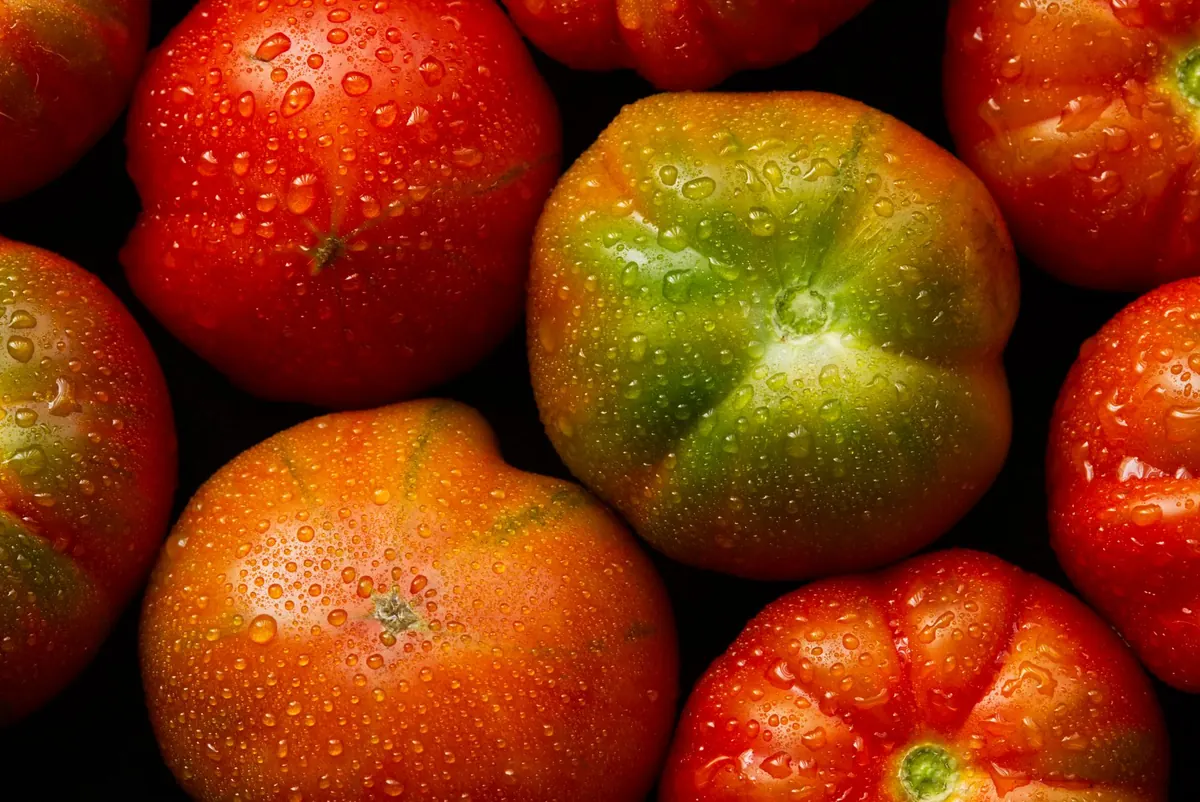
Tomatoes look sturdy, but they bruise under their own weight, keep ripening on the counter, and turn mealy in the fridge. Most storage problems — soft spots, cracks, bland flavor, mold — start with a small decision made hours earlier. The fixes are simple: less cold, less sun, less pressure, and fewer plastic bags. A little restraint goes a long way. The good news is that better storage asks for less work, not more.
A tomato is not a cucumber. It keeps ripening after harvest and does its best work at room temperature. Refrigerate it while still firm and that process stalls; the flesh often turns mealy, the skin loosens, and the flavor flattens. A cold tomato can taste dull even after it warms up, which is why a supermarket tomato served straight from the fridge is such a letdown.
Keep whole tomatoes on the counter until they are fully ripe. Choose a cool, dry spot out of direct sun — away from the stove, not on a sunny windowsill. Eat them within a few days, starting with the softest. If a ripe tomato is about to go over and you cannot use it, refrigerate it for a day or two, then let it sit at room temperature for half an hour before slicing. Cut tomatoes are different: cover and refrigerate them, and eat them soon. This is especially useful in summer, when a ripe tomato can turn quickly.
A sunny windowsill looks like the natural place for a tomato. In practice, direct sun cooks the side facing the glass while the shaded side stays firm, so ripening becomes uneven. Skin can tighten and split, especially on larger varieties, and warm, damp spots invite rot. A counter near a window is fine; a spot in full afternoon sun is not. Watch for condensation on the glass; it is a sign the spot is too warm and too humid.
For green or underripe tomatoes, use a paper bag instead of a sunbath. Put them in a single layer, fold the top loosely, and check daily. A ripe apple or banana in the bag can speed ripening because it releases ethylene, but check often and remove any tomato that softens or blemishes. Never seal green tomatoes in plastic and forget them; trapped moisture is more likely to bring mold than a perfect tomato. Check the bag in the morning and again in the evening if the kitchen is warm.
Tomatoes are heavy for their size and do not forgive pressure. A deep bowl or a packed produce drawer puts weight on the bottom fruit. Bruises appear as soft, dark patches, often underneath where you cannot see them. Cracks open, and mold finds the cracks. A slight dent today becomes a leaking spot tomorrow. By the time you dig out the top tomato, the ones below may already be leaking.
Store tomatoes in a single layer, stem side up when possible. A shallow basket, a rimmed plate, or an egg carton works well. Leave a little space between them so air can move and so you can see problems early. Check the layer every day and remove any tomato with a soft spot; one bad fruit can speed the decline of its neighbors. Buying fewer tomatoes more often is easier than managing a pyramid that hides its own damage.
Rinsing a whole batch as soon as it comes home feels efficient, but water on the skin creates the humid conditions mold likes. The stem scar is a natural opening, and moisture sitting there is an invitation. Wet handling also damages delicate skin.
Keep whole tomatoes dry until you are ready to eat them. Wipe off loose soil with a dry cloth or a soft brush. If a tomato is muddy, rinse it just before use and dry it well. Do not soak tomatoes in a bowl of water or store them wet in a sealed container. A dry tomato is a tomato with a longer useful life. Once cut, refrigerate promptly, keep covered, and use within a short window.
Plastic wrap and airtight boxes feel protective, but they trap moisture and ethylene gas. Tomatoes produce ethylene as they ripen; in open air it disperses, while in a sealed bag it builds up and pushes them past ripe. Condensation on the skin and in the stem dimple adds another problem.
Use breathable storage instead. A paper bag with the top folded loosely is good for ripening. A shallow bowl or basket is good for ripe tomatoes. If you must use the fridge for a day or two, choose a paper bag or an open container rather than a sealed plastic box. Perforated plastic can work in a pinch, but plain paper is simpler. Label nothing; just keep the bag loose and the fruit visible.
Where you put tomatoes matters as much as how you store them. Tomatoes are ethylene producers, and some produce is sensitive to it. Cucumbers, leafy greens, broccoli, and peppers can soften or develop off-flavors faster when stored close to tomatoes. Onions and garlic have strong odors that tomatoes can pick up, and potatoes prefer a different environment altogether.
Give tomatoes their own space. A separate bowl on the counter is ideal. In the fridge, keep them away from delicate greens and cut produce. If you are ripening tomatoes in a paper bag, keep that bag separate from the main vegetable drawer. If space is tight, use a small separate basket rather than tucking tomatoes behind the greens. Fewer neighbors means fewer surprises.
Good tomato storage is mostly a matter of sequence. Sort by ripeness, keep whole ripe tomatoes at room temperature in a single layer, and leave them unwashed until use. Check the layer daily. Refrigerate only fully ripe tomatoes you cannot use within a day or two, and bring them back to room temperature before serving. Do not crowd the layer just because the counter looks empty.
A tomato does not need much from you. It needs air, a little space, and a break from the cold. Get those basics right and you will spend less time rescuing fruit and more time eating it at its best. Start with the next batch you bring home and adjust from there.
Photo: Abdus Samad Mahkri / Pexels